Finding Your Local Board Game Club
A practical guide to locating established gaming groups near you, what to expect at your first meeting, and how to find the right fit for your skill level and interests.
Read MoreShake off the rust and get back into competitive play. We’ll walk you through what’s changed, what matters, and how to rebuild your game.
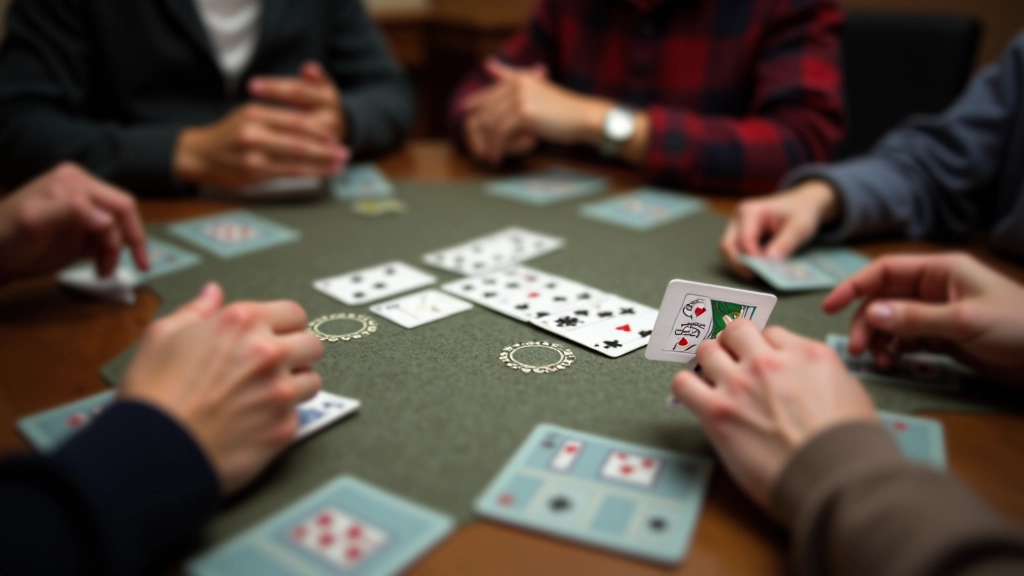
Taking a break from bridge doesn’t mean you’ve forgotten everything. But things move fast in card clubs, and honestly, a few months away can leave you feeling rusty. The good news? You’ve got the foundation. What we’re doing here is refreshing your memory on the essentials, rebuilding your confidence, and getting you tournament-ready again.
Whether you’ve been away for six months or six years, the fundamentals haven’t changed — but your understanding of how you play probably should. We’ll cover the mechanics that matter most, common mistakes returning players make, and how to integrate back into your club’s competitive scene without feeling lost.
Bridge hasn’t fundamentally changed since you left. But if you’ve been away, you’ll want to lock down the mechanics that actually matter. The four phases — dealing, bidding, play, and scoring — remain exactly the same. What’s important is sharpening your approach to each one.
Bidding is where most returning players stumble. You remember the basics: opening bids, responses, and rebids. But you might’ve forgotten the nuances. A 1NT opening shows 15-17 high card points with a balanced hand. Your partner’s response depends on their point count and distribution. It sounds simple because it is — but the conventions have probably evolved in your club since you left.
The other piece is play technique. Card reading, counting tricks, managing entries — these are skills that fade when you’re not practicing them weekly. You’ll need to get sharp on defensive signaling again. Your partner needs to know what you’re holding, and you need to read the table. It takes about 3-4 weeks of regular play to feel comfortable with your instincts again.
Most clubs use pretty standard conventions. We’re talking ACOL or 5-card majors, depending on where you play. But here’s the thing — conventions have probably tightened up since you were last active. Weak two-bids are nearly universal now. If you don’t remember those, you’re starting behind.
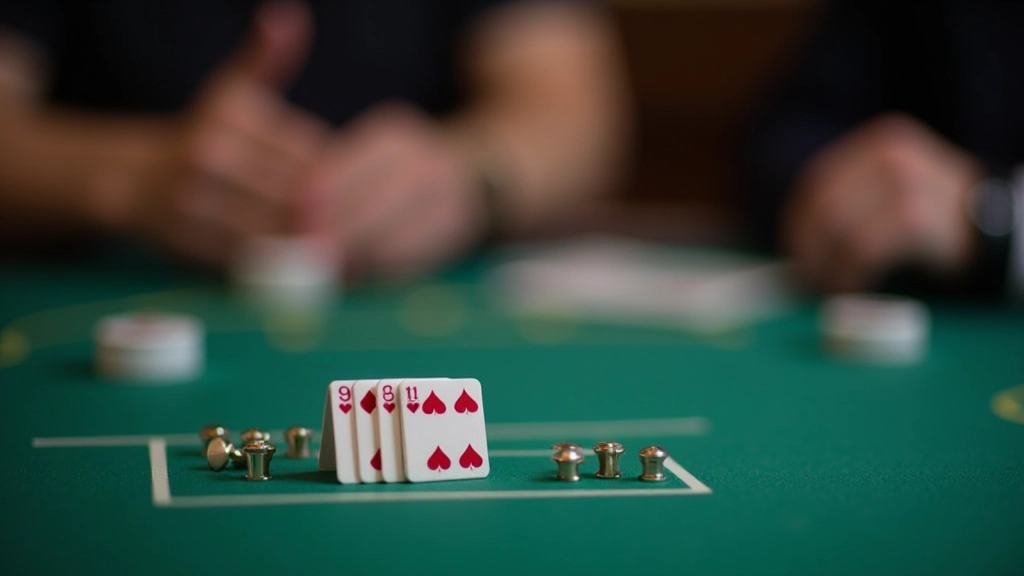
A weak two-bid shows 6-10 points with a 6-card suit. It’s designed to shut down your opponents’ bidding. If you’re opening 2 Hearts, you’ve got exactly that — not more, not less. This is crucial because your partner needs to know they can’t rely on you having 15 points. They’ll bid 3NT with 25 points total, but only if they trust your weak two means what it says.
The other shift: negative doubles. Most intermediate players use them from 1-level openings. If the opponent opens 1 Diamond and you double, you’re showing 6-10 points with support for the unbid suits. It’s a tool that speeds up communication and cuts down on guessing. Get comfortable with this — your club definitely uses it.
Defense is where returning players lose the most points. You remember the rules, but the instincts fade. Card reading, counting the declarer’s hand, signaling to your partner — these aren’t things you can just jump back into after months away. You’ve got to practice them actively.
Start with the basics. When you lead, your lead tells a story. Top of a sequence, fourth-highest from a long suit, or a singleton — your partner needs to read what you’re holding. Standard is fourth-highest from your longest suit unless you’ve got a sequence. When your partner leads, you count tricks and signal encouragement or discouragement based on what you want them to do next.
The toughest part isn’t remembering these rules. It’s staying mentally sharp through an entire hand. You’re defending for 13 tricks. You need to stay focused on counting, signaling, and reading the table the whole time. That mental stamina comes back quickly once you’re playing regularly again.

The mechanics matter, but your mindset matters more. Here’s how to rejoin your club without the pressure.
Let them know you’re back. Most directors will pair you with experienced players your first few sessions. You’re not starting from scratch — you’re refreshing. They’ll understand that.
You don’t need a world-class partner. You need someone who’s played consistently, who understands conventions, and who’s patient while you rebuild your rhythm. Chemistry matters more than skill at this stage.
You’ll need 4-6 weeks of regular play to feel sharp again. That’s roughly 12-18 sessions depending on frequency. Once-weekly play will take longer than twice-weekly. Make it a commitment, not a hobby.
Most clubs have evolved their standard conventions since you left. Spend an evening going through what your club actually plays. It’ll save you awkward moments at the table.
Most returning players make the same mistakes. Knowing them ahead of time helps you avoid them. First, don’t overestimate your partnership understanding. You and your partner probably haven’t played together in months. You need to explicitly discuss your conventions before sitting down. A 10-minute conversation beats 20 hands of frustration.
Second, don’t jump straight into competitive scoring. Play some casual hands first. Your club probably has beginners’ nights or social play. Use those to rebuild your confidence. There’s no shame in taking it easy for a few weeks.
Third, don’t ignore the mental game. Bridge is 40% mechanics, 60% psychology. You need to stay focused, manage tilt, and keep morale up when things aren’t going your way. Returning players often underestimate how much the mental side has atrophied. A hand you would’ve played perfectly 18 months ago might confuse you now. That’s normal. Accept it and move on.
This is what to expect as you rebuild your game. Timelines vary, but these benchmarks apply to most returning players.
You’ll feel rusty. That’s expected. You’ll second-guess bids, miss signals, and forget conventions mid-hand. Play casual hands with patient players. Don’t worry about results yet.
The mechanics start clicking. You’re making fewer mental errors. Bidding feels more natural. Defense still requires conscious effort, but you’re not panicking anymore.
You can hold your own in competitive play. You’re not back to your old level yet, but you’re competitive. Most players feel genuinely sharp again around the 18-hand mark (3-4 weeks depending on frequency).
These aren’t theory. They’re things that work if you actually do them.
Online bridge (BridgeBase, Duplicate Bridge) lets you play hands without the social pressure. You can replay hands, review decisions, and practice specific scenarios. 30 minutes online is worth a casual session in some ways because you can focus purely on the cards.
Don’t just play and move on. After a session, ask your partner or a strong player about specific hands. Why didn’t your bid work? What should you have done on defense? This active reflection speeds up your learning curve by weeks.
Write down hands where you made mistakes or weren’t sure. Review them weekly. You’ll spot patterns — certain bidding scenarios, defensive positions, or card combinations that consistently trip you up. Patterns are easier to fix than random errors.
Your club’s convention card should be your reference. Spend 15 minutes every week reading through it. You’ll be surprised how many nuances you forgot. By week 4, you’ll have it internalized.
“The hardest part about coming back to bridge isn’t remembering the rules. It’s believing you can still play at a decent level. Most people can. They just need to trust the process.”
— A bridge coach at a Dublin club
You’ve got the foundation. Bridge doesn’t forget you as fast as you think it does. The bidding rules are still the same. Your understanding of defense is still there — it just needs practice. Your partner will understand that you’re rebuilding. Your club director will help you ease back in.
What matters now is commitment. Commit to 4-6 weeks of regular play. Show up, focus on the hands, learn from mistakes, and trust that the skill comes back faster than you expect. Most returning players feel genuinely sharp again in 3-4 weeks of consistent play. You’ll be there sooner than you think.
Contact your local bridge club, find a partner, and set a schedule. The cards are waiting.
Find Your Local Bridge ClubThis article provides educational information about returning to competitive bridge play. Bridge rules and conventions can vary by club and region. Always confirm your specific club’s convention card and standard practices before playing. The timeline and benchmarks described are general guidelines based on typical player experiences — your individual experience may differ based on your previous skill level, frequency of play, and partnership dynamics. Consult with your club director or an experienced coach for personalized guidance on your return to competitive play.