
Poker Tournament Nights Explained
Everything you need to know about tournament structures, blind levels, and etiquette at serious poker gatherings
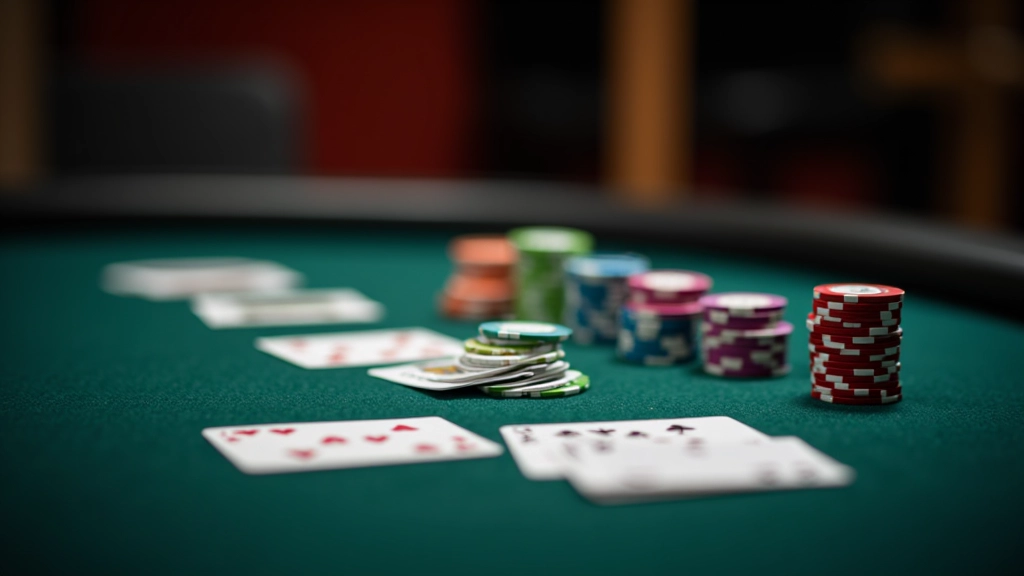
What Makes Tournament Poker Different
Tournament poker isn’t the same as casual home games. There’s structure, progression, and a clear path from first chip to final showdown. You’re not just playing hands — you’re managing your stack against changing blind levels, watching other players get eliminated, and adjusting your strategy as the field shrinks.
If you’ve only played cash games or friendly games with mates, tournaments feel different immediately. The tension’s different. The stakes feel real in a different way. And honestly, that’s what draws people to them. You’ll find tournament nights at clubs across Ireland every week — structured, serious, and genuinely competitive.

Understanding Tournament Structure
Every tournament follows a basic framework. Players start with equal chip stacks — say, 5,000 chips each. Blinds increase at set intervals (typically every 20-30 minutes in club tournaments). As blinds go up, staying in the game costs more, so players get forced out. Eventually you’re down to a final table, then a winner.
The key difference between formats? Some tournaments use rebuys (you can buy back in if you bust early), some don’t. Add-ons let you add chips at specific points. Some clubs run freezeout tournaments where once you’re out, you’re done — which keeps things moving and creates real tension.
Standard Irish Club Tournament: 5,000 starting chips, 20-minute blinds, starting at 25/50, no rebuys after level three. First place typically gets 40% of the prize pool, second gets 25%, third gets 15%, with smaller payouts down to 5th or 6th place depending on field size.


Blind Levels and Progression
Blinds are forced bets that create action. The small blind’s half the big blind amount. You’re required to post them when it’s your turn. They increase on a schedule to force the tournament toward completion. Early on, blinds are tiny relative to your stack. But after an hour? They’ve probably tripled or quadrupled.
This is where tournament strategy gets interesting. Early tournament, you can play more hands because your stack’s deep relative to blinds. Middle stages demand tighter play — you’re getting shorter-stacked relative to what you need to post. Late tournament becomes hyper-aggressive. If you’re short, you’re pushing all-in frequently. If you’ve got chips, you’re pressuring short stacks.
You’ll see typical blind schedules go something like: 25/50, 50/100, 100/200, 200/400, and so on. Some clubs add ante chips at higher levels — everyone posts a small chip amount regardless of position. That accelerates things even more.
Tournament Strategy Fundamentals
Tournament poker isn’t about the best hand winning — it’s about survival and chip accumulation. You’re not trying to get lucky once. You’re trying to outlast everyone else through better decision-making over hours.
Early Tournament (Big Stack Phase)
You’ve got chips. Play quality hands, avoid big risks, build your stack against weaker players. Don’t get drawn into marginal situations.
Middle Tournament (Equilibrium Phase)
Stacks matter. If you’re average, tighten up. If you’re short, look for spots to push. If you’re big, apply pressure. Position becomes critical.
Late Tournament (Final Table Phase)
Short stacks need to move all-in frequently. Medium stacks need to pick spots. Chip leader can be aggressive but shouldn’t get reckless. Pay position — button and cutoff become gold mines.


Tournament Etiquette and Rules
Tournaments are more formal than casual games. There’s a director. There are specific rules. And honestly, that’s part of why people prefer them — everyone knows the boundaries.
You’ve got to act in turn. Can’t splash the pot (throwing chips in messily). Have to announce your action clearly. If you’re sitting out, tell the dealer. If you bust, leave the table promptly. Table chat’s fine — trash talk’s acceptable — but you can’t give information about other hands still in play or angle-shoot someone.
Collusion is a serious issue. If you and a mate are obviously working together against the field, you’ll get asked to leave. Most clubs take that seriously. The atmosphere works because it’s fair.
Chips stay on the table. Phone use is minimal (some clubs ban it entirely during play). And the biggest rule: be respectful to the dealer and tournament staff. They’re there to make the game run smooth. Making their job harder makes the whole night worse for everyone.
Prize Pools and Payouts
Tournament entry fees fund the prize pool. You pay 20 or 25 to enter, that money goes into the pot. Typically the club takes a small rake (usually 10%) to cover dealer, rent, and overhead. The rest gets paid out to finishers.
Standard payout structure skews toward the top. First place gets the lion’s share — sometimes 40-50% of the pool. Second and third split most of the remainder. Places 4-6 get smaller amounts. It’s not equal distribution because the point’s to reward results.
Some tournaments use chip chop deals at the final table. If three players remain and agree, they can divide the remaining prize pool based on chip counts rather than playing it out. Most clubs allow this — it’s standard in serious poker.
First Tournament: What to Expect
You’re nervous before your first tournament. That’s normal. Here’s what actually happens.
Registration and Buy-in
You arrive, register at the desk, pay your entry fee. You’ll get a seat assignment. Sit down, you’re given your starting chip stack. It’s straightforward.
Early Hands Feel Weird
Your first few hands, you’ll be cautious. That’s smart. Watch table dynamics. See who’s tight, who’s loose, who’s aggressive. Don’t feel rushed to play hands.
Blinds Creep Up
First hour, blinds feel irrelevant. Then they double. Then triple. Suddenly that comfortable stack feels short. That’s when tournament poker really starts.
People Get Eliminated
By the end of the first hour, half the field’s usually gone. Tables consolidate. You move seats. It feels different when the field shrinks.
Final Table’s Tense
If you make it, the final table’s where it gets serious. Fewer players, more focus, every decision matters. You’ll feel the pressure — that’s part of it.
Finishing Is Winning
If you cash, you’ve won money. You’re in the money. That’s a real accomplishment for your first tournament. Don’t discount it.
Finding Poker Tournaments Near You
Ireland’s got a solid tournament poker scene. Dublin’s got multiple clubs running tournaments most nights. Cork, Galway, Limerick — they’ve all got regular action. Most clubs advertise on their websites or social media with schedules.
Look for established clubs with good reputations. Ask around — if you’ve got friends who play, they’ll know where the action is. Most clubs have different tournament formats. Some run deep-stacked tournaments (lots of chips, slower pace). Others run fast tournaments (smaller stacks, quick blinds). Your first time, pick a format that feels comfortable.
Entry fees vary. Small tournaments might be 10-15. Bigger events could be 50-100. Special series or tournaments might cost more. But there’s something for every bankroll. Start small, build your experience, then move up if you want to.

Your First Tournament Night
Tournament poker’s intimidating until you’ve played one. Then you realize it’s just poker with structure. There’s tension, yes. But there’s also clarity. You know the blinds. You know the payouts. You know what everyone’s trying to do.
The best part? You’ll meet other serious players. People who actually care about the game. The conversation’s better. The play’s tighter. The atmosphere’s more focused. Most players who try tournaments prefer them to casual games.
So find a club near you, register for a tournament, and show up. Bring enough cash for your entry and maybe a rebuy if it’s that format. Play tight early, adjust as blinds go up, and don’t stress if you don’t cash. You’re learning. Everyone at the table started where you are.
Ready to Play?
Check out our guide to finding local board game and poker clubs in your area. You’ll find tournament schedules, contact info, and what to expect when you arrive.
Find Clubs Near You
Information Disclaimer
This article provides educational information about poker tournament structures, rules, and etiquette as practiced at clubs and gatherings in Ireland. Poker involves risk and isn’t appropriate for everyone. Always gamble responsibly and within your means. The information here reflects common tournament practices but may vary by club — always check with your specific venue for their rules and policies before participating. This content is informational only and not financial or gambling advice.