Finding Your Local Board Game Club
A practical guide to discovering gaming communities near you, making your first appearance, and becoming a regular at the table
Where to Start Looking
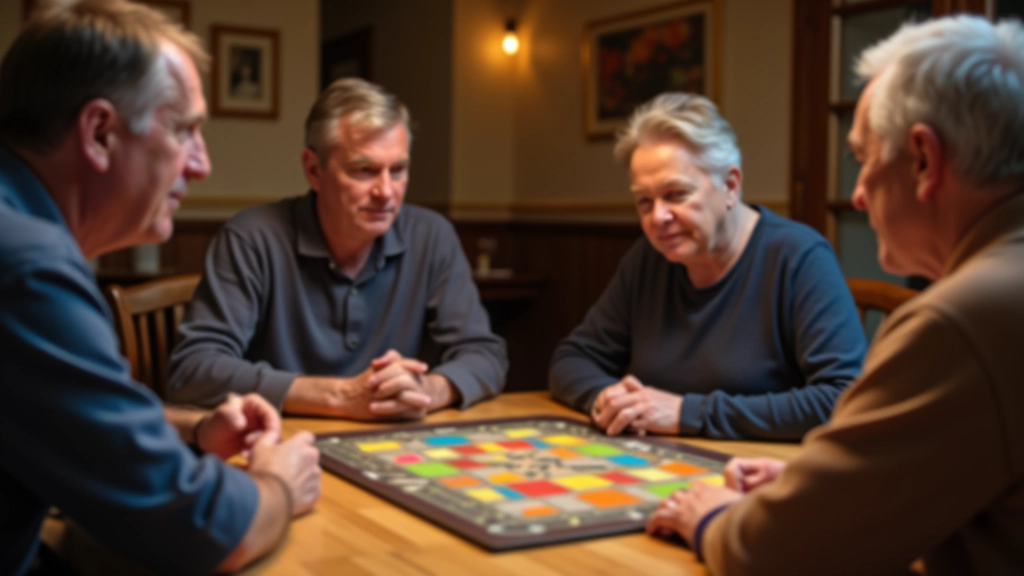
Finding your first gaming group can feel daunting. You’re wondering if you’ll fit in, if you’re experienced enough, whether people will be welcoming. The truth? Most clubs actively want new members. They’re built on the assumption that players at all levels will show up looking to join.
The real challenge isn’t getting accepted — it’s knowing where to look. Gaming communities aren’t always obvious. They’re scattered across pubs, community centers, libraries, and dedicated game shops throughout Ireland. But once you know the tricks, finding them becomes straightforward.

Three Proven Ways to Locate Groups
Each method works differently depending on what you’re looking for
Local Game Shops
Visit independent board game retailers in your area. Most host weekly events — board game nights, tournament play, casual meetups. The staff know all the active groups. They’ll point you toward clubs that match your interests. Plus you’re supporting local businesses.
Online Community Boards
Reddit communities like r/ireland have active gaming threads. Facebook groups dedicated to specific games or regions list meetup schedules. Meetup.com has dedicated sections for tabletop gaming groups. These platforms show which clubs are currently active and how frequently they meet.
Community Centers & Pubs
Libraries often host gaming events. Pubs with space regularly organize game nights. Community centers advertise clubs on bulletin boards. Don’t overlook these venues — some of the strongest communities run from simple locations because the focus stays on the games and the people.
Before Your First Night
You don’t need to prepare much. Seriously. But a few things help. First, check the club’s schedule and what games they typically play. If they’re running poker tournaments, you’ll want different preparation than if they’re playing strategy board games. Most clubs list their game rotation online.
Arrive 10-15 minutes early. This gives you time to meet the organizer, get the layout of the space, and settle in before games start. Bring cash if you might play poker or any game with buy-ins. Check whether the club provides refreshments or if you should bring your own.
Here’s what matters most: Show up with an open mind. Don’t worry about being the weakest player. You won’t be. Every club has newcomers regularly. The existing members remember what it felt like to walk in not knowing anyone.
Your First Evening: What Actually Happens
You’ll walk in and the organizer will notice you’re new. They’ll introduce themselves. They’ll ask what games you enjoy, what experience you’ve got. Don’t overthink your answer. “I’ve played a few games but I’m not sure what I’m doing” is perfectly fine.
Most clubs have a mix of games happening simultaneously. Beginners’ tables exist at nearly every venue. You’ll be placed at a table with people of similar experience. The game rules get explained. People are patient because everyone’s been new before.
Games typically run 1-3 hours depending on what’s being played. You’ll learn the rules as you go. You’ll probably lose your first few games. This is normal and nobody cares. People chat between rounds, discuss strategy, laugh about bad luck. By the end of the night you’ll know 3-4 regular members by name.
Key insight: Most newcomers worry they’re not experienced enough. Clubs need fresh players. You’re not the weak link — you’re exactly who they want.
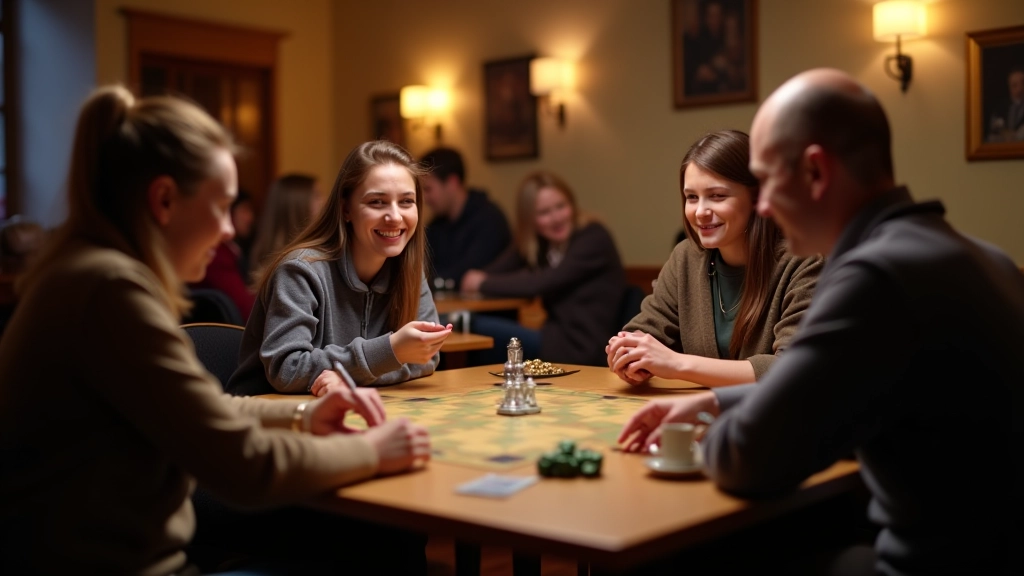
Becoming a Regular Takes Three Things
Most people become regulars within 3-4 visits if they follow this simple pattern
Show Up Consistently
Come back the same night each week. People notice patterns. When you’re there every Tuesday, the organizer saves you a seat. You’ll start to see the same faces. Familiarity builds quickly. You don’t need to come every week forever — just establish yourself as someone who shows up.
Learn Names & Remember Details
Use people’s names when you see them. Ask about games they mentioned last week. Remember that someone prefers strategic games over luck-based ones. These aren’t major efforts but they signal you’re genuinely interested. People become regulars when they care about the community, not just the games.
Contribute Small Things
Bring snacks. Offer to help set up tables. Suggest a game you’ve learned. Mention a friend who might be interested. You don’t need to run the club or do heavy lifting. Small contributions signal you’re invested in making the experience better for everyone.
Understanding Club Types
Different clubs have different vibes. Here’s what to expect from each
Casual Board Game Clubs
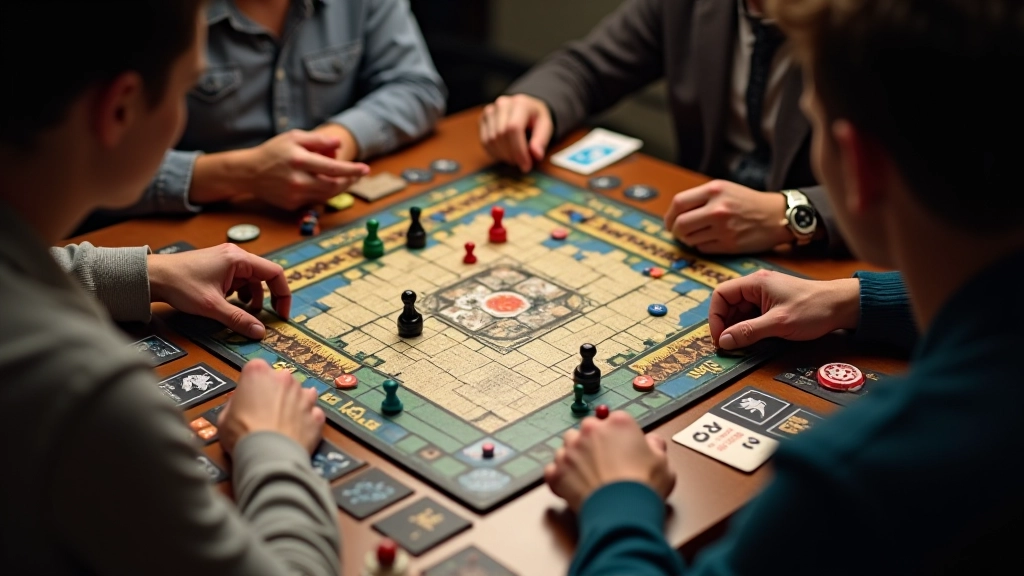
These focus on a wide variety of games — Catan, Ticket to Ride, Carcassonne. Atmosphere is relaxed and social. Players range from complete beginners to experienced. Games usually last 45 minutes to 2 hours. Perfect if you want to learn lots of different games and meet people. Most common type in Ireland.
Poker & Card Game Groups
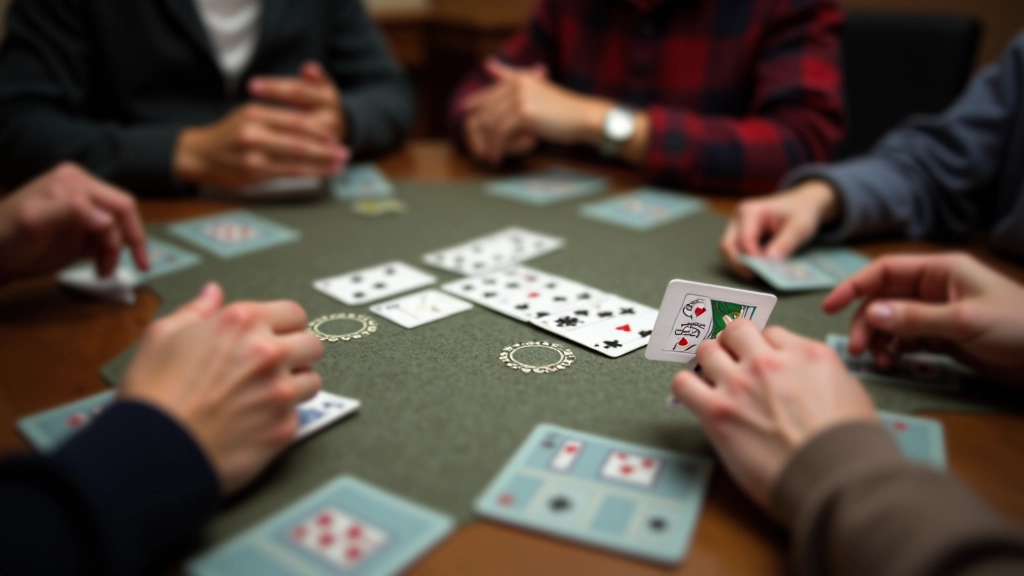
Structured play with house rules clearly posted. Buy-ins are modest (usually 5-20). Regular tournaments on specific nights. Skill matters here but teaching newcomers is part of the culture. You’ll find all experience levels. These groups are tight-knit because poker requires regular opponents.
Strategy Game Leagues
Games like Chess, Bridge, Warhammer, Dungeons & Dragons. These clubs often run seasonal leagues or campaigns. Skill development is important. Commitment expectations are higher — you’re usually signing up for a season or series. Excellent if you want to get seriously good at a particular game.
Shop-Based Gaming Nights
Run by local game retailers as events. Games provided by the shop. Usually free entry but they hope you’ll buy games or refreshments. Relaxed atmosphere because it’s hosted by professionals. Good place to try expensive games before buying them.
Realistic Expectations Matter
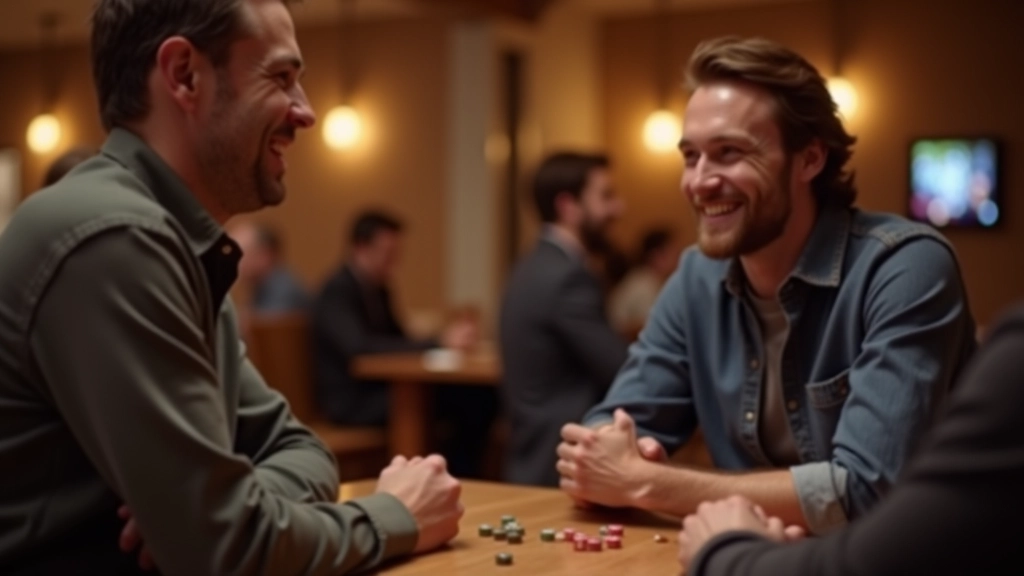
Most clubs won’t be perfect. Some nights you’ll arrive and the group you wanted to join is full. You’ll end up at a different table. You might not love the game being played. One person might be slightly annoying. This is normal club life, not a sign you picked wrong.
The real magic happens over months, not weeks. Your third visit you’ll recognize faces. Your eighth visit you’ll have inside jokes. By month three you’ll have a genuine friend group. That’s when clubs transform from “interesting activity” to “highlight of my week.”
People stay because of community. The games are the excuse but the friendships are the reason. You’re not just joining a club — you’re joining a group of people who chose to spend their free time together.
Common Questions Before You Go
What if I don’t know any games?
Clubs expect this. The organizer will place you with experienced players who’ll teach. You’ll learn by playing. Most games take 10 minutes to understand the basics and 30 minutes to play well. Don’t worry about being behind — everyone was new once.
How much does it usually cost?
Most casual clubs are free or charge 2-5 per night to cover venue rental. Poker clubs might have a buy-in (5-20 typically). League play sometimes charges membership fees. Check with the specific club before attending. No club will ever ask you for money before your first visit.
What should I wear?
Whatever you normally wear. Gaming is casual. Jeans and a t-shirt are perfect. People show up straight from work or from home. There’s no dress code. Comfort matters because you might be sitting for 2-3 hours.
What if I’m much older/younger than everyone else?
Most clubs have mixed ages. Serious gamers range from teenagers to retirees. You’ll find people your age once you settle in. Even if you’re the youngest or oldest in the room, nobody cares. Gaming communities judge people on whether they’re respectful and engaged — that’s it.
What if nobody talks to me?
This rarely happens. Organizers always greet newcomers. But if it does, introduce yourself. “I’m new and looking to learn” is all you need to say. People will immediately make space for you. Gaming communities are generally welcoming because they remember what being new felt like.
The Bottom Line
Finding a local board game club is straightforward once you know where to look. Start with game shops, online communities, or community centers. Show up to your first night with an open mind. Give yourself three visits before deciding if it’s right for you.
You’ll find a community of people who share your interests. You’ll learn games. You’ll make friends. You’ll spend evenings laughing over dice rolls and strategic decisions. That’s what keeps people coming back week after week.
The hardest part is just showing up the first time. Everything else flows naturally.
Information Disclaimer
This article provides general guidance about finding and joining board game clubs. Club availability, formats, schedules, and costs vary by location and change over time. Always contact clubs directly to confirm current information before your first visit. Individual experiences may differ based on location, club culture, and personal preferences. This content is for informational purposes to help you understand what to expect when exploring local gaming communities.